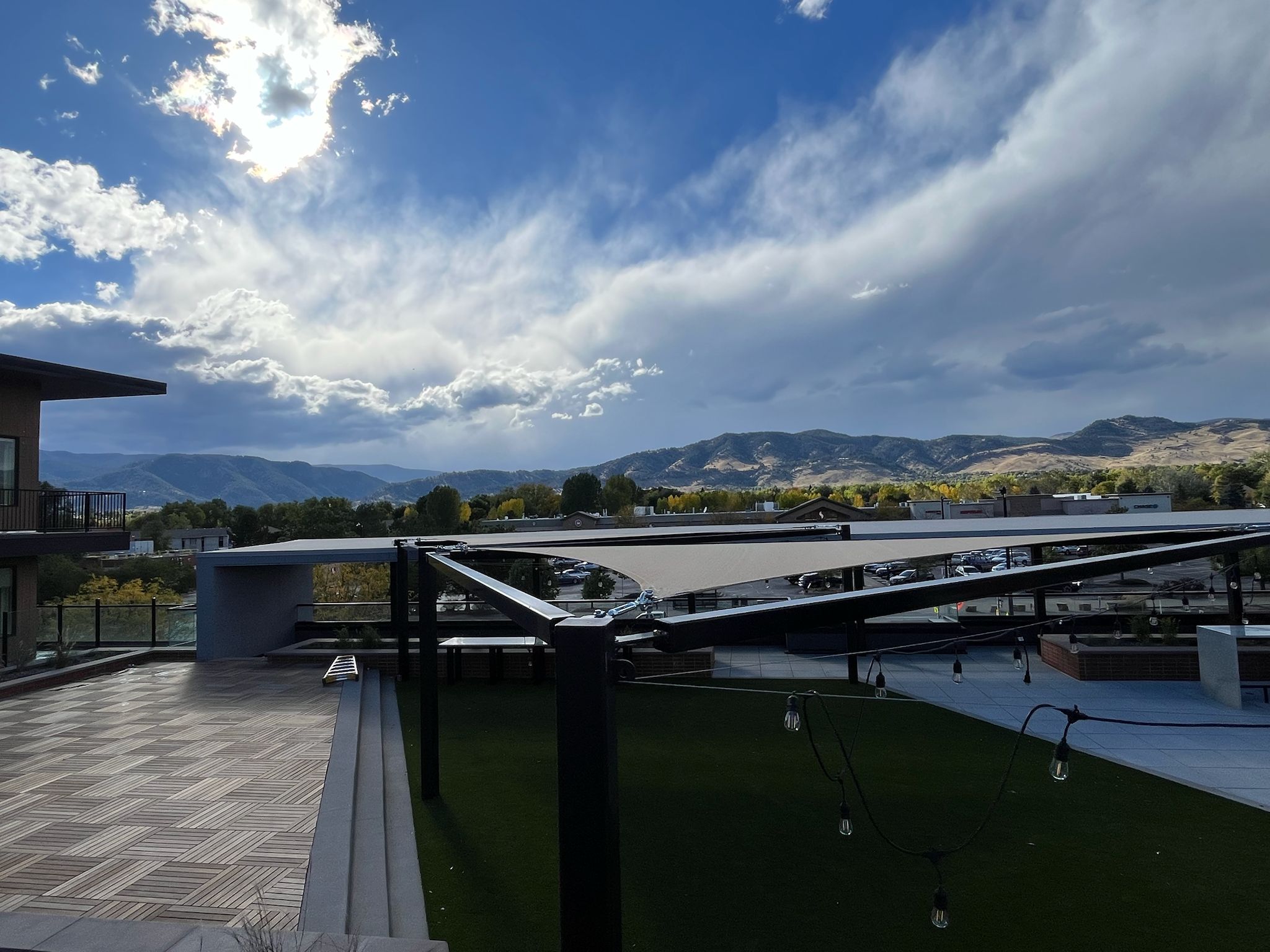


Why Pre-Engineered Shade Structures Help Keep Projects Efficient from Proposal to Installation
A strong shade project begins long before fabrication starts. It begins with how the system is defined, evaluated, and coordinated during the earliest design stages. At Tensoshade™, the project process is presented as a turn-key approach that moves from concept and design through fabrication, installation, and delivery, and that structure matters because efficient execution depends on clear engineering from the start. Pre-engineered thinking helps bring discipline to the entire process.
Why Early Engineering Changes the Outcome:
Many people start with a search like shade sails near me or a broad interest in shade structures, but the real success of the project depends on how quickly the system moves from idea to engineered solution. A pre-engineered structure for shade helps define the key variables early: span, support conditions, load paths, environmental exposure, and how the finished system will integrate with the site. That clarity reduces uncertainty later.

Proposal as Structural Planning:
In a well-run project, the proposal phase is not just a number. It is the stage where the installation begins to take structural form. Shade systems that are evaluated properly at this stage are more likely to stay coordinated through design, fabrication, and field installation. This is especially important in projects where the finished structure must align with existing architecture or work across multiple zones on the property.
Benefits of Pre-Engineered Systems:
Pre-engineered shade structures create a stronger foundation for the rest of the process. When the system has already been thought through in terms of support geometry, membrane configuration, and installation demands, fabrication becomes more efficient and field coordination becomes more predictable. That can support better timing, clearer expectations, and fewer surprises during execution.
Fabrication and Installation Efficiency:
Once the project variables are defined, membrane production, steel coordination, and installation sequencing become easier to manage. Structural shade systems benefit from this kind of early discipline because each later phase depends on the accuracy of the one before it. Design clarity improves execution quality.
Client and Team Coordination:
Architects, contractors, designers, and property owners all benefit when the project is organized around a clear structural strategy. That makes it easier to evaluate tradeoffs, schedule work, and understand how the finished installation will function once complete.
Conclusion:
Pre-engineered shade structures improve more than speed. They strengthen the entire project by aligning proposal, design, fabrication, and installation around one clear structural plan. That is what helps a finished shade system perform well both visually and structurally over time.