

Shade Cover Solutions for Outdoor Waiting Areas
Outdoor waiting areas are often small, but they play an important role in how people experience a property. Whether located outside a school, business, healthcare facility, apartment community, or public building, these zones should feel comfortable, organized, and easy to use. Even a short wait can become uncomfortable when people are exposed to direct sun for extended periods. Tensoshade™ designs shade cover solutions that support waiting areas through structural planning, fabric architecture, and professional installation.
Why Waiting Areas Need Shade:
People may only wait for a few minutes, but direct sun exposure can quickly affect comfort. A properly designed shade cover helps create a more usable waiting zone by reducing exposure and giving people a clearly defined place to stand or sit. For properties that receive regular visitors, students, patients, customers, or employees, this small improvement can make the overall experience feel more thoughtful and professional.
Canopy-Based Design:
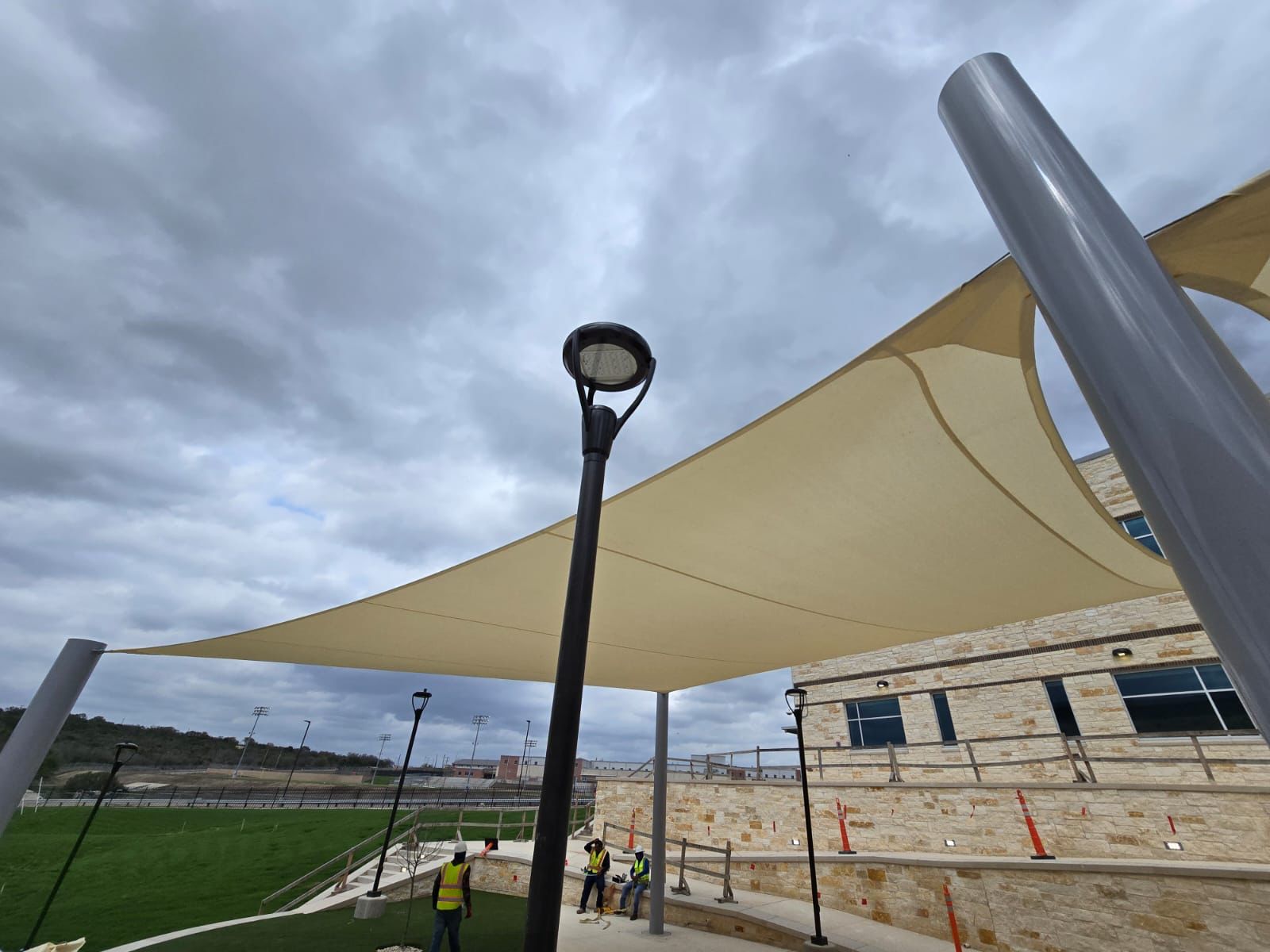
An outdoor shade canopy can be a strong option for waiting areas because it provides coverage without closing off the space. These areas still need visibility, airflow, and easy movement, so the shade system should feel open and accessible. A canopy-style structure can define the waiting zone while keeping the surrounding area functional and visually clean.
Structural Requirements:
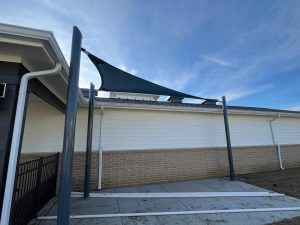
Even if the covered area is small, a permanent shade system still requires proper engineering. Support points, anchoring, membrane tension, and drainage all affect long-term performance. A structure for shade should be planned around the site’s layout so it does not interfere with entrances, walkways, vehicle circulation, or emergency access. When designed correctly, the system feels like part of the property instead of an afterthought.
Material Selection:
Sun shade fabric and shade cloth material should be selected for durability, UV protection, and outdoor exposure. The material should work with the canopy’s shape and support system to maintain tension and stability over time. In waiting areas, the fabric should provide protection while still allowing the space to feel open and breathable.
Site Integration:
A waiting area shade system should match the function and appearance of the property. For schools, it may support pick-up and drop-off areas. For healthcare facilities, it may create a more comfortable patient or visitor waiting zone. For businesses or public buildings, it can improve the arrival experience and help organize foot traffic.
Conclusion:
Shade cover solutions for outdoor waiting areas help make properties more comfortable, organized, and professional. When designed as structural fabric systems, they provide long-term value, dependable protection, and a clean architectural appearance that improves how people experience the space.