

Creating Sun Shade Canopy Systems for Entryways, Courtyards, and Shared Outdoor Areas
Entryways, courtyards, and shared-use exterior spaces require shade systems that help define movement while improving comfort and protection. These environments are often some of the most visible areas on a property, which means the shade solution must function well structurally and fit the architecture visually. At Tensoshade™, a sun shade canopy is developed as a permanent tensile system designed to integrate with circulation, access, and gathering areas rather than simply cover them.
Canopy-Based Shade as Architectural Structure:
Terms such as sun canopy shade, canopy sunshade, sail shade canopy, and sailcloth shade canopy are often used interchangeably, but all of these systems require the same core structural discipline. The finished installation must maintain membrane tension, distribute loads properly, and preserve clear movement beneath the canopy. At entryways and shared outdoor areas, the membrane becomes part of the site composition, shaping how the space is experienced from the first approach.
Entryway and Arrival Conditions:
A shade system at an entry point has a different role than one in a lounge or open plaza. It helps frame the transition into the building while protecting circulation paths from direct exposure. A well-engineered outdoor shade canopy can reinforce the arrival sequence, reduce heat at the access point, and create a more defined threshold between interior and exterior spaces. In these conditions, geometry, support placement, and attachment strategy all need to be coordinated with the building itself.
Courtyards and Shared Spaces:
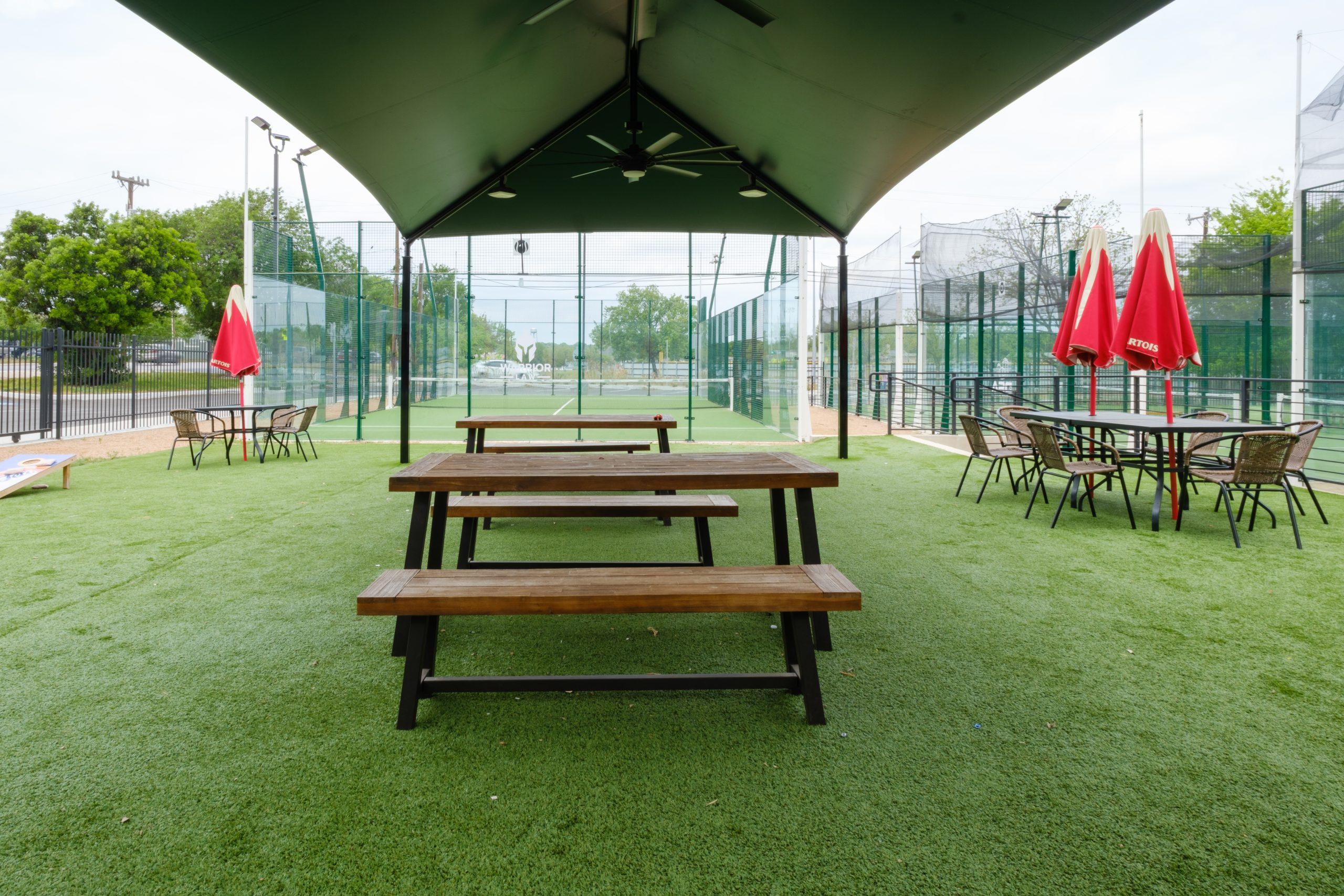
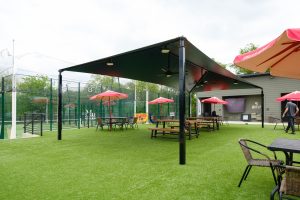
Courtyards often require a balance between openness and protection. Too much enclosure can make the space feel heavy, while too little shade can reduce how comfortably it can be used throughout the day. A sun shade canopy provides a lighter structural solution that preserves airflow and openness while still creating a clearly defined shaded zone. This is especially useful in campuses, commercial properties, and residential developments where the courtyard needs to serve multiple functions.
Fabrication and Structural Coordination:
A sailcloth shade canopy is only successful when the membrane and support structure are designed together. Drainage, curvature, anchoring, and load transfer all affect performance. That is why Tensoshade™ develops these systems as complete structural assemblies rather than isolated fabric components.
Long-Term Use and Visual Clarity:
Because entryways and shared-use spaces see regular traffic, the finished installation needs to maintain both stability and visual consistency over time. Proper tension calibration and structural support help preserve the form of the membrane and the usability of the space below it.
Conclusion:
Whether a project is described as a sun shade canopy, sun canopy shade, canopy sunshade, or sail shade canopy, the goal is the same: a durable structural shade solution that strengthens circulation, architectural identity, and day-to-day performance in the spaces people use most.