

Shade Sails for Backyard and Backyard Shade Cover Solutions
Backyard spaces require more than decorative coverage to function effectively throughout the year. A properly engineered shade system transforms open residential areas into structured, usable environments that balance comfort, airflow, and architectural clarity. Shade sails for backyard applications must be designed as permanent structural shade installations capable of managing environmental exposure while integrating seamlessly with surrounding design elements. At Tensoshade™, every backyard shade cover is developed as a calibrated tensile system built for long-term durability and structural reliability.
Custom Planning and Structural Evaluation: Backyard sails for shade begin with a detailed assessment of attachment strength, span distance, elevation differences, and sun exposure patterns. A back yard sail shade configuration is positioned to maintain balanced membrane tension while preserving open circulation and sightlines. Each backyard shade cover is evaluated as part of a broader structural shade framework to ensure proper load transfer across anchoring systems. Proper planning prevents uneven stress distribution and ensures the installation performs reliably over time.
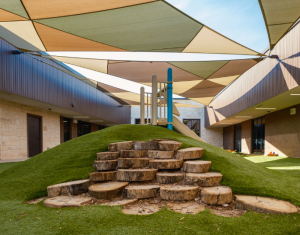
Fabrication and Membrane Geometry: Tensile shade systems depend on intentional curvature and calibrated tension. Shade sails for backyard environments are fabricated to maintain consistent membrane geometry across all connection points. Elevation offsets are incorporated to promote effective drainage and prevent water accumulation. Shade structures for backyard installations must preserve both architectural alignment and structural integrity under wind and sun exposure.
Integrated Shade Structures: Backyard installations may incorporate exterior sail shades, outdoor sail shade layouts, sail shade outdoor configurations, and shade awnings to create comprehensive shade systems. An outdoor shade structure can function as a standalone feature or integrate into larger structural shade installations depending on the site layout. Coordinated planning ensures that each tensile component operates cohesively within the overall design.
Material Performance and Durability: Shade fabric and shade cloth material are selected based on UV resistance, airflow, and long-term exposure conditions. Sun shade fabric and sun shade cloth provide breathable coverage while maintaining membrane stability. Hdpe shade cloth, hdpe shade fabric, and hdpe shade sail materials may be incorporated when environmental demands require durable yet flexible solutions. Material selection is driven by structural performance standards rather than purely aesthetic considerations.
Professional Installation and Long-Term Stability: Shade sail installation requires engineered anchoring systems designed to preserve calibrated membrane tension. Shade sail posts and shade sail and posts assemblies are selected based on load calculations and structural compatibility. Mounting shade sails and putting up shade sails without structural precision can compromise long-term reliability, which is why each installation is approached as a fully engineered process.
Conclusion: Shade sails for backyard applications from Tensoshade™ deliver structural reliability, architectural refinement, and performance-driven durability. Whether installed as a standalone backyard shade cover or as part of a larger outdoor shade structure system, each tensile installation is designed to provide dependable shade while maintaining long-term structural integrity.