

Outdoor Waterproof Shade Solutions for Weather-Exposed Spaces
Some projects require a shade system that does more than reduce direct sun exposure. In access areas, gathering zones, and weather-exposed transition spaces, protection from rainfall can be just as important as UV control. At Tensoshade™, an outdoor waterproof shade system is approached as an engineered tensile structure that must manage environmental exposure, drainage, and long-term membrane performance without compromising architectural integration.
When Waterproof Shade Is the Right Fit:
Not every project needs a waterproof membrane, but certain spaces benefit from a system designed to manage both sun and rain. An outdoor waterproof shade solution may be appropriate where people queue, wait, circulate, or gather beneath a structure that needs to remain functional in changing weather conditions. In those cases, the design strategy shifts from simple coverage to controlled water management and structural resilience.
Drainage and Membrane Geometry:
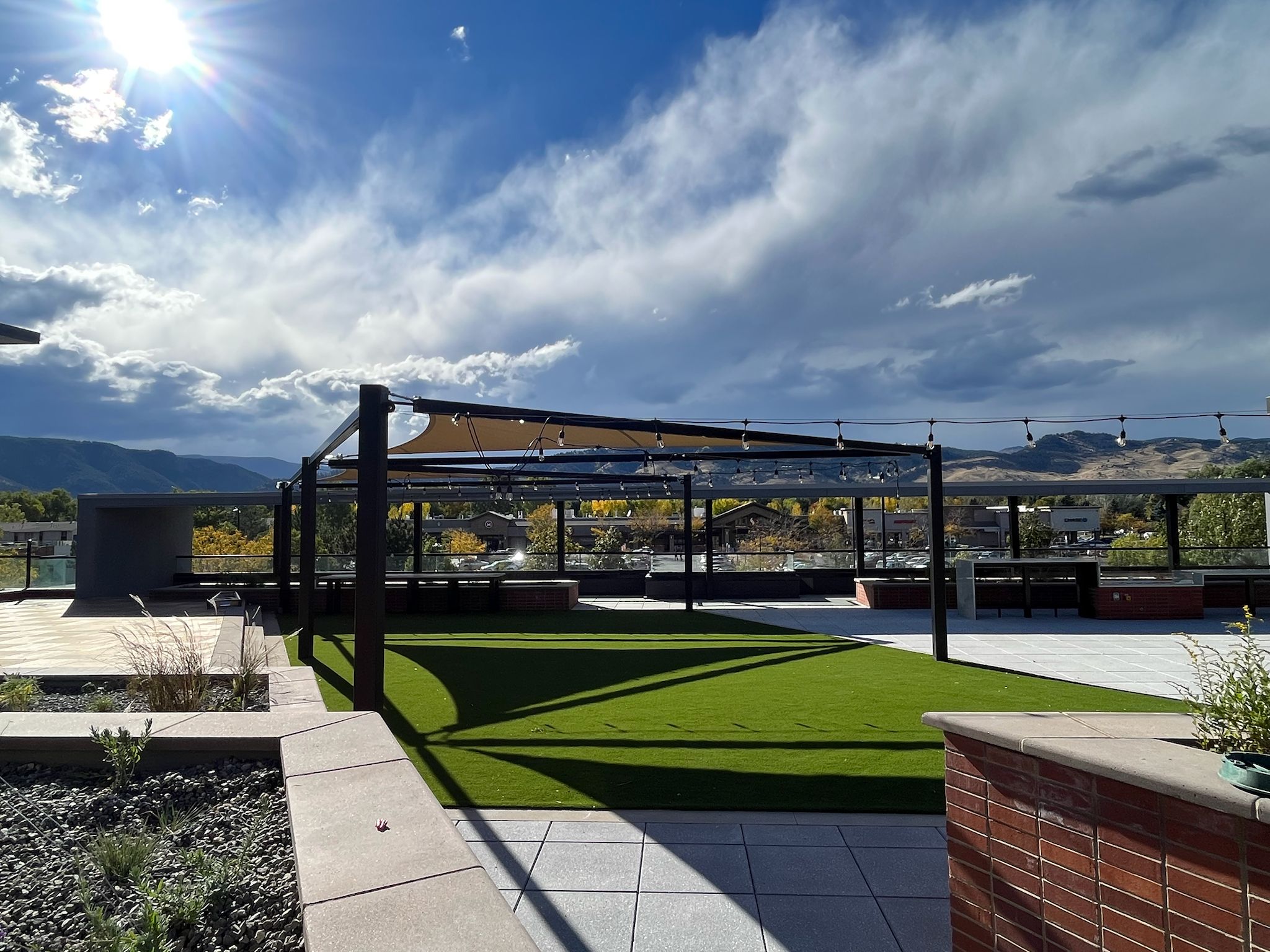
A waterproof shade sail depends heavily on form. The membrane cannot simply be stretched flat between points. It has to be shaped to encourage runoff and prevent water accumulation. Proper elevation differences, calibrated curvature, and engineered support placement help preserve membrane integrity over time. In a permanent installation, these details are not optional. They are central to structural performance.
Structural Coordination:
A system described as outdoor shade waterproof must be planned around the additional demands created by rainfall and runoff. The support structure has to work with the membrane shape so that tension is maintained while drainage is controlled. Tensoshade™ treats these projects as complete structural shade systems rather than fabric additions placed onto an already finished space.
Material Performance:
A waterproof shade sail also depends on selecting a membrane that supports the intended environmental demands of the project. Durability, long-term exposure, and compatibility with the engineered support system all influence performance. Material selection has to align with the expected use of the space and the geometry of the installation.
Application Across Project Types:
These systems can be relevant for access zones, waiting areas, exterior circulation paths, and other spaces where uninterrupted usability matters. The specific layout may vary, but the structural requirements remain the same: controlled drainage, calibrated tension, and long-term durability.
Conclusion:
An outdoor waterproof shade installation performs well only when membrane shape, support structure, and drainage strategy are engineered together. For weather-exposed spaces, waterproof shade sail design is not just about coverage. It is about delivering a reliable structural solution built for long-term performance under real environmental demands.