

Choosing the Right Shade Cover and Shade Systems for Multi-Use Community Spaces
Community spaces often need to support a wide range of activities within the same footprint. A courtyard might serve as a circulation zone in the morning, a gathering area in the afternoon, and an event space later in the day. That means the right shade cover cannot be chosen on coverage alone. It has to support the way the site functions over time. At Tensoshade™, shade systems for these environments are developed as permanent structural solutions designed to improve flexibility, comfort, and architectural consistency.
Why Multi-Use Spaces Need a Different Approach:
A multi-use site places different demands on shade than a single-purpose area. The system has to create usable zones without making the space feel segmented or enclosed. Structural shade planning therefore focuses not only on where shade is needed, but on how the covered and uncovered areas relate to one another throughout the site.
From Single Shade Cover to Coordinated Shade Systems:
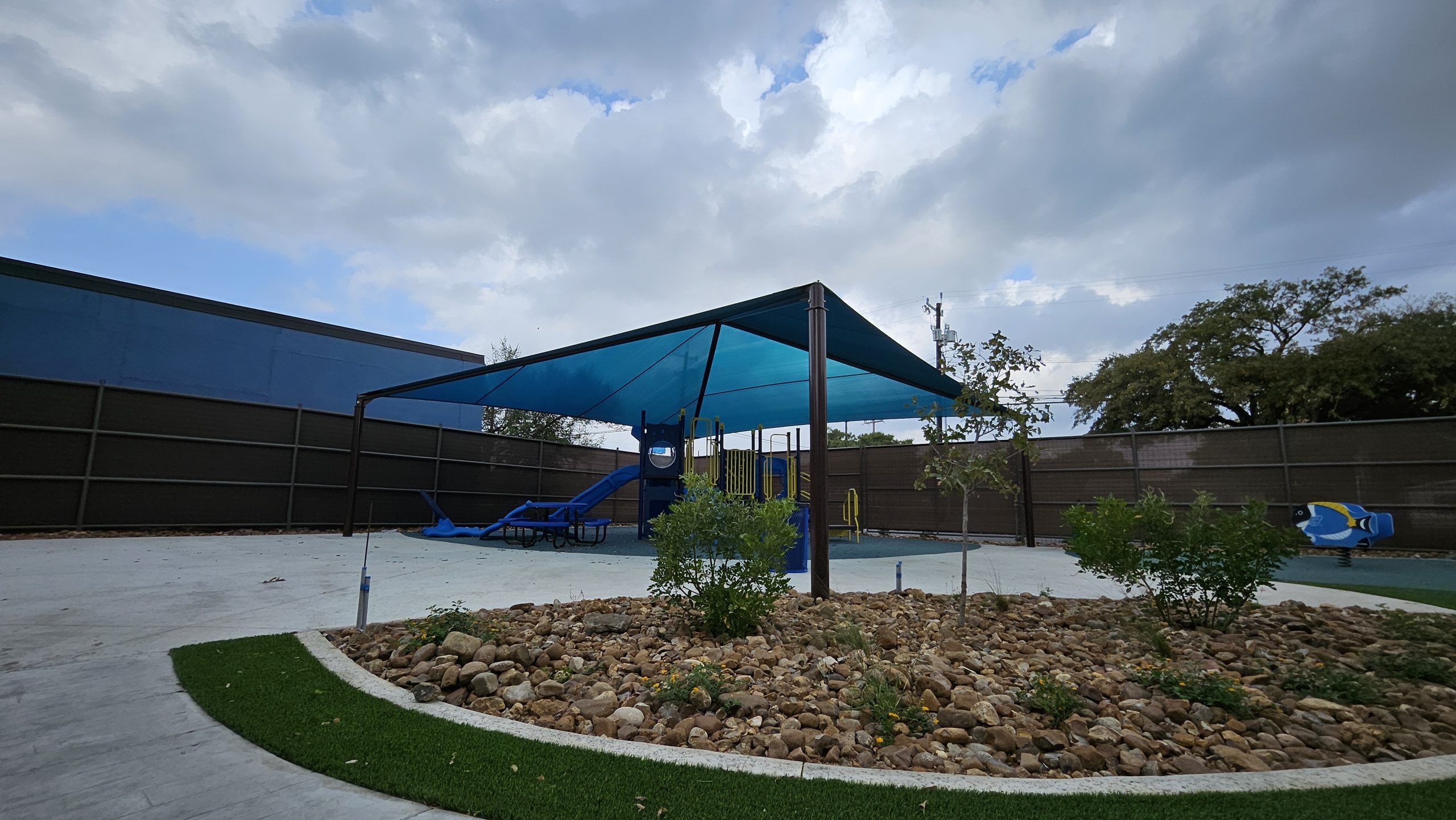
In larger shared spaces, one isolated structure may not be enough. Coordinated shade systems can define separate activity zones while still reading as one cohesive installation. This can improve the usability of the space and make circulation easier to understand. In these settings, a shade cover becomes part of a larger architectural strategy rather than a single object.
Balancing Comfort and Openness:
Community spaces often work best when they remain visually open. Sun cover and sun coverings have to provide protection without creating a heavy or overbuilt environment. That is one reason tensile systems can be effective in these conditions. They allow for structure, airflow, and clear visual organization at the same time.
Temporary Alternatives vs Permanent Systems:
Some planners initially compare permanent installations with lighter options such as shade tarps for patios or other short-term covers. The difference is that a permanent structural system is engineered around load transfer, durability, and integration with the site, while temporary solutions are rarely built for that level of performance.
Long-Term Use:
Because these areas are shared and frequently used, the finished installation needs to remain coherent and reliable over time. Membrane tension, support geometry, and anchoring strategy all influence how well the site performs under changing use conditions.
Conclusion:
The right shade cover for a multi-use community space is the one that supports how the site is actually used, integrates with the surrounding architecture, and functions as part of a durable structural shade system rather than as an isolated patch of coverage.